VIP Interview with Tugba Yazici, producer of the Short Film ‘Serbülent Apartmani‘
Today, we introduce Tugba Yazici, a talented multidisciplinary artist and producer originally from Istanbul. In this interview we tackle her work in the short film Serbülent Apartmani, her international background and how producing is about: “bringing together people”
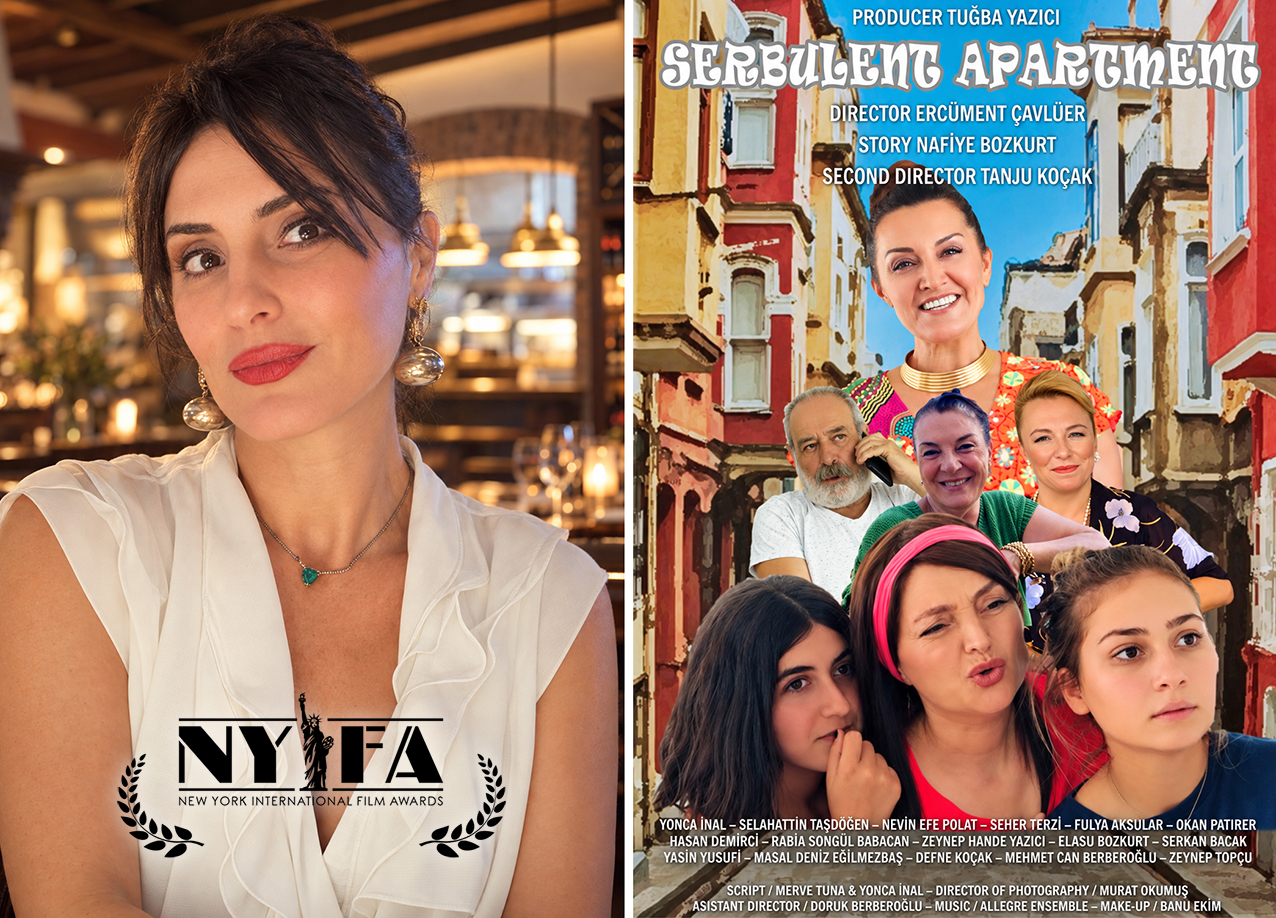
The producer Tugba Yazici and the official poster of ‘Serbülent Apartmani’
1. What brought you to filmmaking, and when did you first realize that you wanted to pursue a career as a film producer?
First and foremost, I am a multidisciplinary artist. My life has taken different turns over the years, and I have continued to reinvent myself through different art forms. Film producing came into my life during COVID, as a response to those changing circumstances.
At the time, art fairs, exhibitions, and events had all been canceled. I began bringing together people from my international network and preparing my first film. As soon as restrictions were lifted, we moved into production. Creating an opportunity for artists from different disciplines to work again was deeply meaningful. It became a powerful creative outlet for all of us.
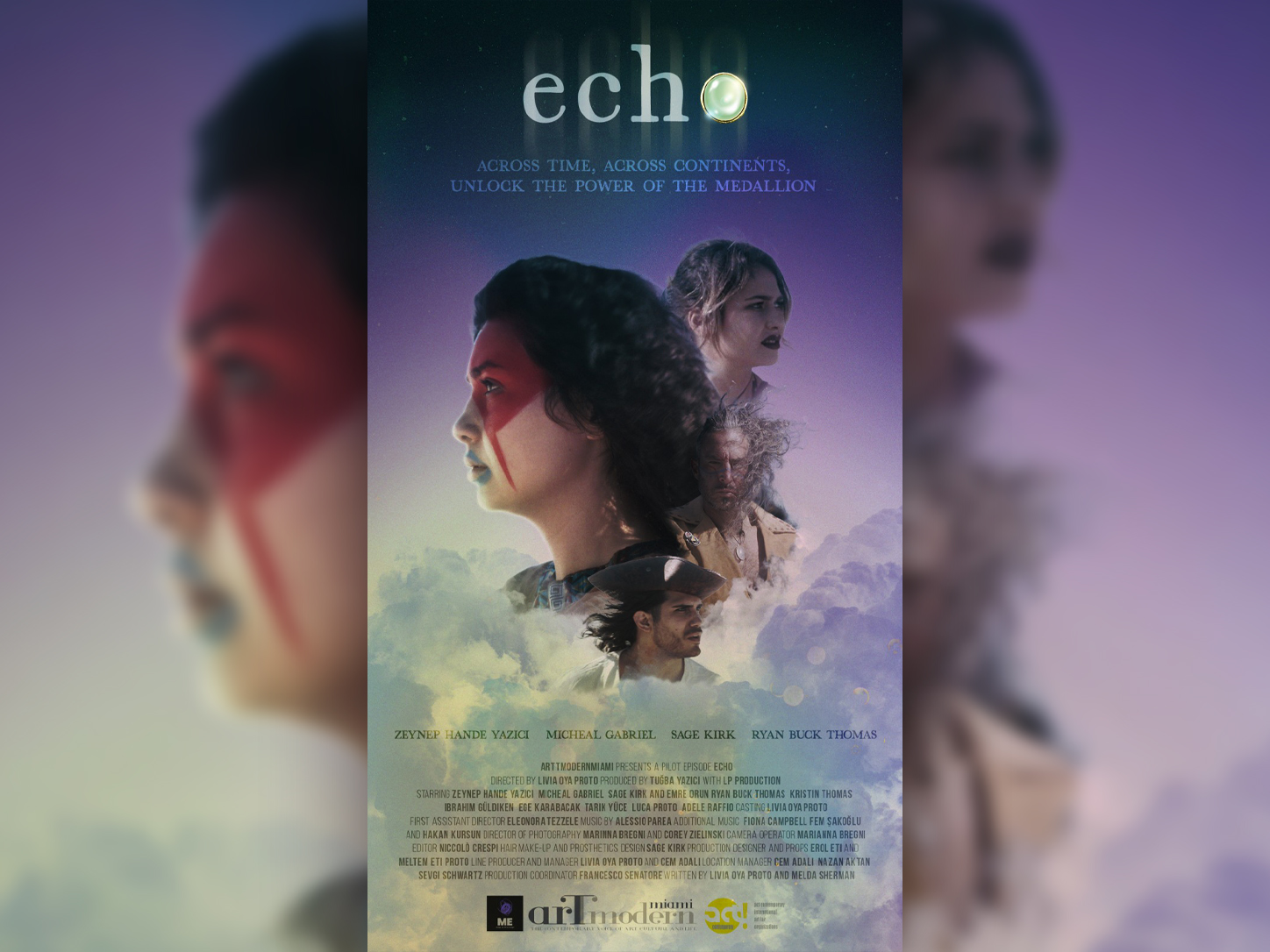
I went on to produce our American-Italian short film Echo. That experience helped me understand just how much room cinema offered to bring together everything I had learned across different disciplines. Believing in a story, finding the right team for it, and making it happen feels very natural to me. I now feel that I am in the right place.
2. You were born in Istanbul and are now based in Florida. How has your international background and multicultural experience influenced your approach to the projects you produce?
My journey from Istanbul to Florida has exposed me to different cultures and ways of working. When I consider a project, I think about both the distinctiveness of the culture it comes from and its ability to connect with audiences elsewhere. My intuition as an artist also guides me toward the right people and projects.
For me, a sense of direction develops over time. We collect knowledge, interests, memories, and experiences, like coins in a piggy bank. Then, one day, those accumulated experiences draw us somewhere. I believe in being on the same wavelength: sometimes my interests lead me to a story, and then I meet people who share my excitement about it.
Producing means turning that intuition into something tangible. I am actively involved in writing and creative development. My background in painting, writing, and fashion design also informs my creative conversations with the team. I enjoy bringing together the people and conditions a story needs to become a film.
3. What kinds of stories are you most passionate about bringing to the screen? Are there particular themes or genres that you feel especially drawn to?
I do not limit myself to one genre. What interests me first is the emotion a story carries and why we want to tell it. When we brought Serbülent Apartmanı to life after the COVID restrictions, there was a very human reason for choosing comedy: we all needed to laugh.
Our American-Italian short film Echo, on the other hand, explored reincarnation through a story that brought different cultures together. We filmed in Rome, Miami, and St. Augustine. The awards and attention it received at international festivals showed us that this theme could connect with different audiences.
We are also working on an animated film. In addition, I am one of the U.S. sponsors of Tutte o Nessuna, an Italian short presented as part of the Venice Film Festival program. Although the genres differ, what draws me to these projects is the same: a creative idea, a story that can resonate with audiences, and the desire to work with people who believe in it.
4. Could you tell us more about ArtTmodernmiami Media & Production? What is the core mission and creative vision of your company?
ArtTmodernmiami Media & Production is a media and production company that supports and develops creative projects. Through ARTTMODERNMIAMI Gazette, we also have an international publishing presence, covering subjects such as art, culture, and health. These two areas feed into each other, allowing us to connect with people across disciplines and build a broad creative community.
We have a wonderful creative team, and our inspiration comes from life itself. On the production side, our goal is to bring creative ideas to life with the right teams and to keep creating consistently. We want to stay engaged with the world as it changes while preserving our artistic vision. It also matters to me that our work contributes to the wider community.
5. What are the aspects you love the most about the filmmaking process? Is there a particular stage of production that you find especially rewarding?
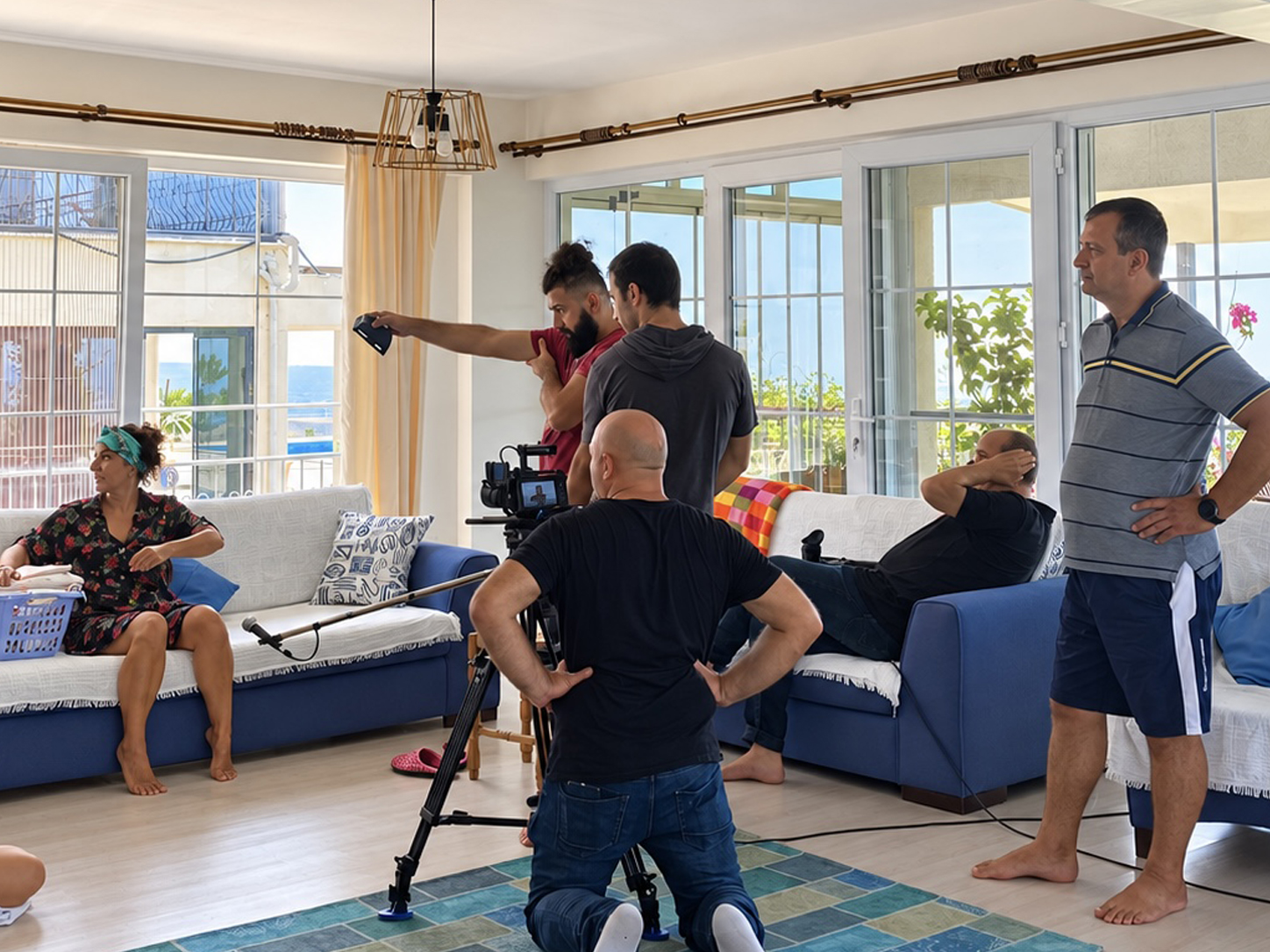
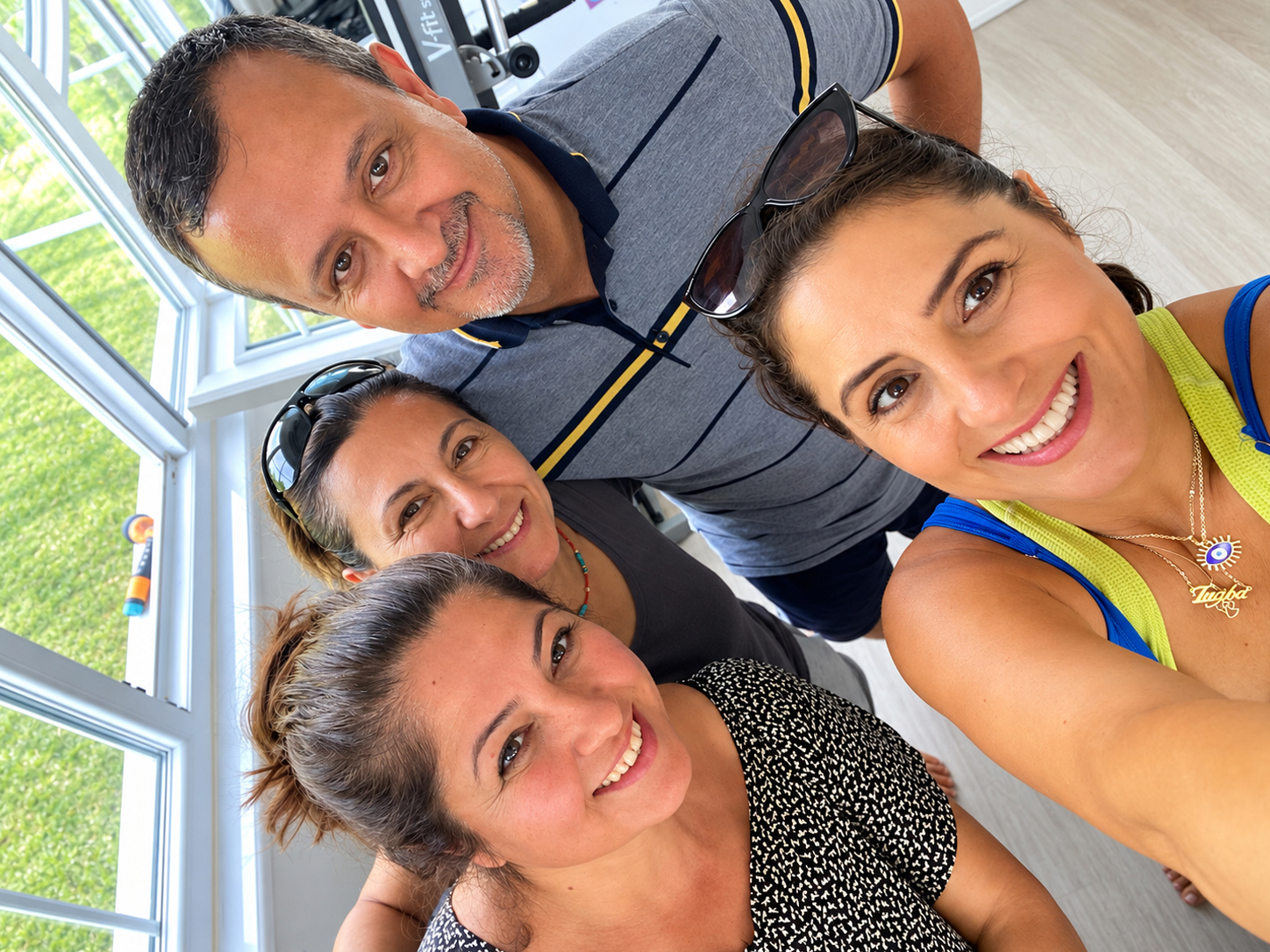
One of the things that excites me most is watching a project gradually take shape from what was initially just an idea. Finding solutions amid uncertainty, building the team, and seeing people begin to believe in the same story is deeply rewarding. That growing creative collaboration gives me so much energy.
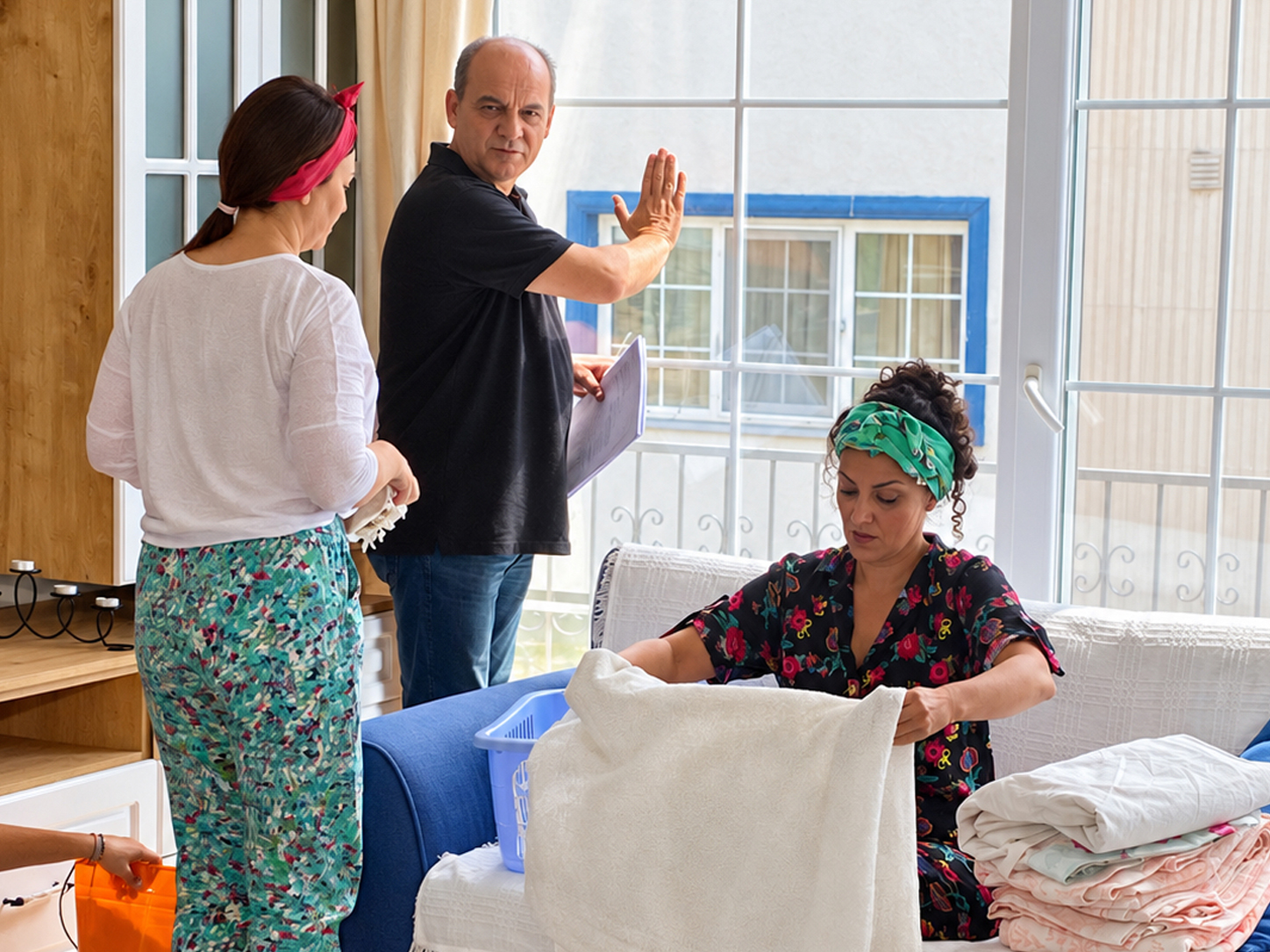
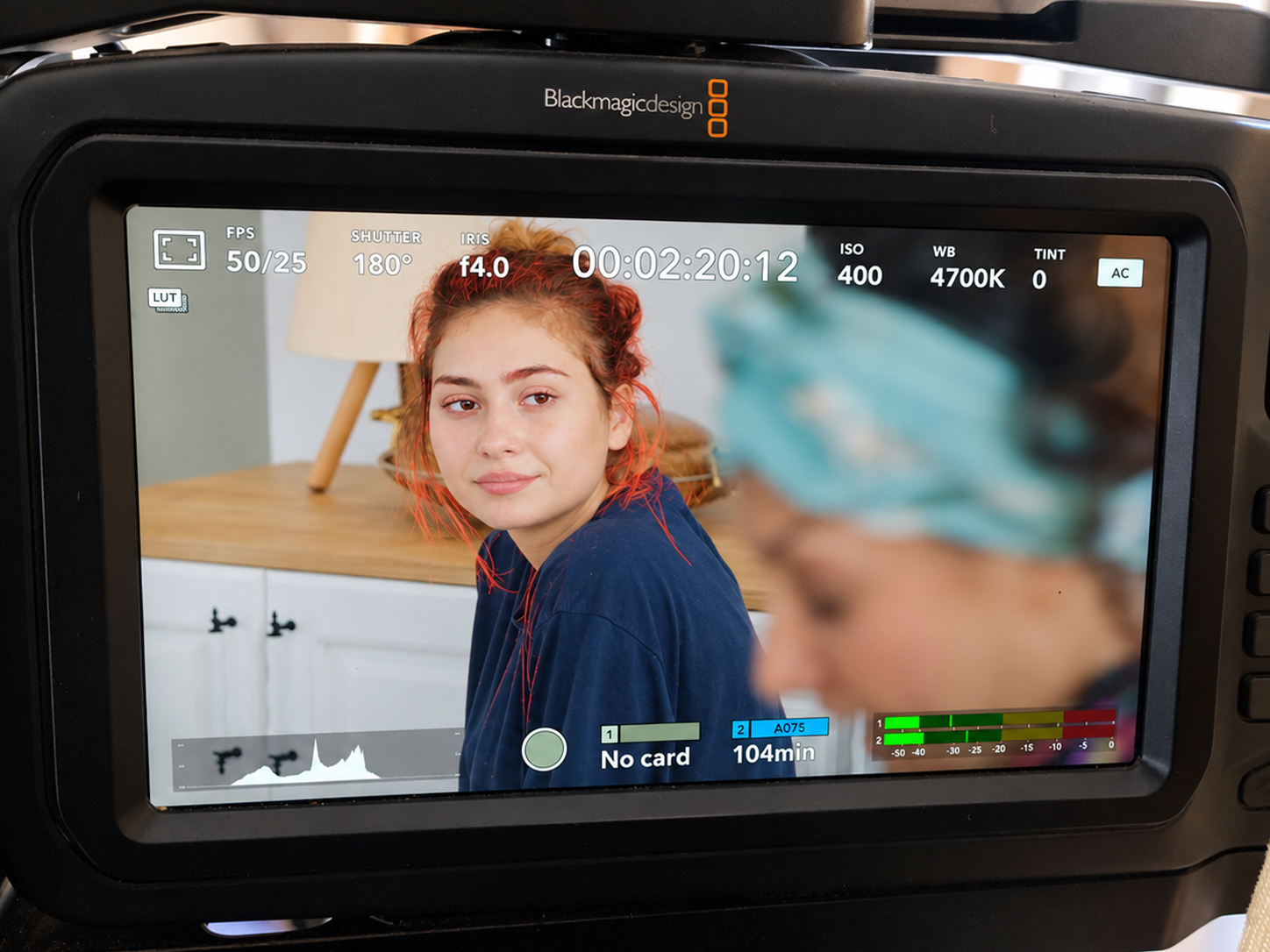
During the shoot, we begin to see all the preparation pay off. Then come completing the film, promoting it, and connecting it with audiences. Every stage brings its own responsibilities and excitement. When I think about it, I really do love every part of it. Sometimes I say it with a smile in one simple sentence: “I love this life!”
6. Independent filmmakers today have new channels for reaching wider audiences. From your perspective as a producer, what are the biggest challenges facing independent filmmakers?
I think the hardest part is finding people who believe in you and your story. You start with a dream, but you have to turn it into a concrete project that people can trust and want to support. Bringing the creative team together, securing the necessary resources, and maintaining that trust throughout the process is not easy.
Finishing the shoot is not the end of the journey, either. Distribution and reaching an audience present a whole new set of challenges. Alongside figuring out how to get a film made, you also have to consider who it will reach and how. That is why relationships matter so much. Building trust with the right collaborators makes a real difference in independent filmmaking.
7. Serbülent Apartmanı is an American-Turkish co-production. When and where did production take place, and how did you bring together the creative team behind this project?
Serbülent Apartmanı was the first film I produced. We developed it during COVID and filmed in Tekirdağ, Turkey, in 2021, once restrictions had been lifted. Ercüment Cavluer directed the film, with Tanju Koçak as assistant director. In fact, the story of how the film came together is just as interesting as the film itself.
While the world was in lockdown, I joined an international Facebook group of around 100,000 women. Its members came from different countries and walks of life, but we were all sharing a similar sense of uncertainty and confinement.
I was the group’s arts moderator. I organized small projects and offered mentoring so that we could support one another. Over time, I recognized the tremendous creative potential within the group and wanted to bring these people together around a film project. That is how the initial team formed. We then expanded the project as artists from outside the group joined us.
8. The short features a strong ensemble cast. How did you approach casting? Did you hold auditions, or did you already know some of the actors from previous collaborations?
The artists we had met through the group were my starting point for assembling the cast. It then grew as actors from outside the group joined us. They were all professional theater and screen actors. I had seen some of them on television before, and this project gave us the opportunity to work together.
So many wonderful artists came together. That collaboration extended beyond acting: the opera group Allegra Ensemble created the film’s music. Having artists from different fields contribute to the same project was one of the most beautiful parts of what gave the film its spirit.
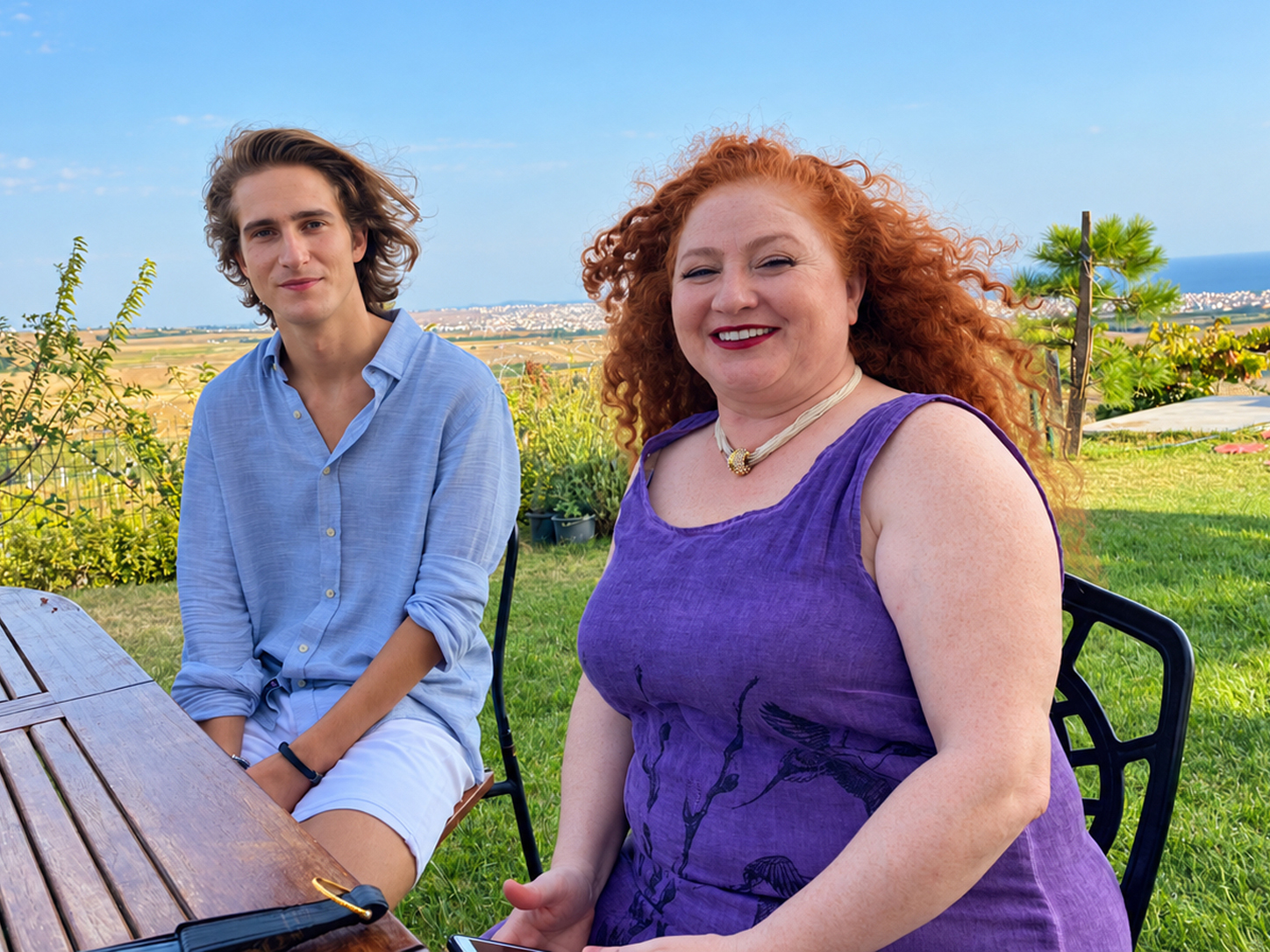
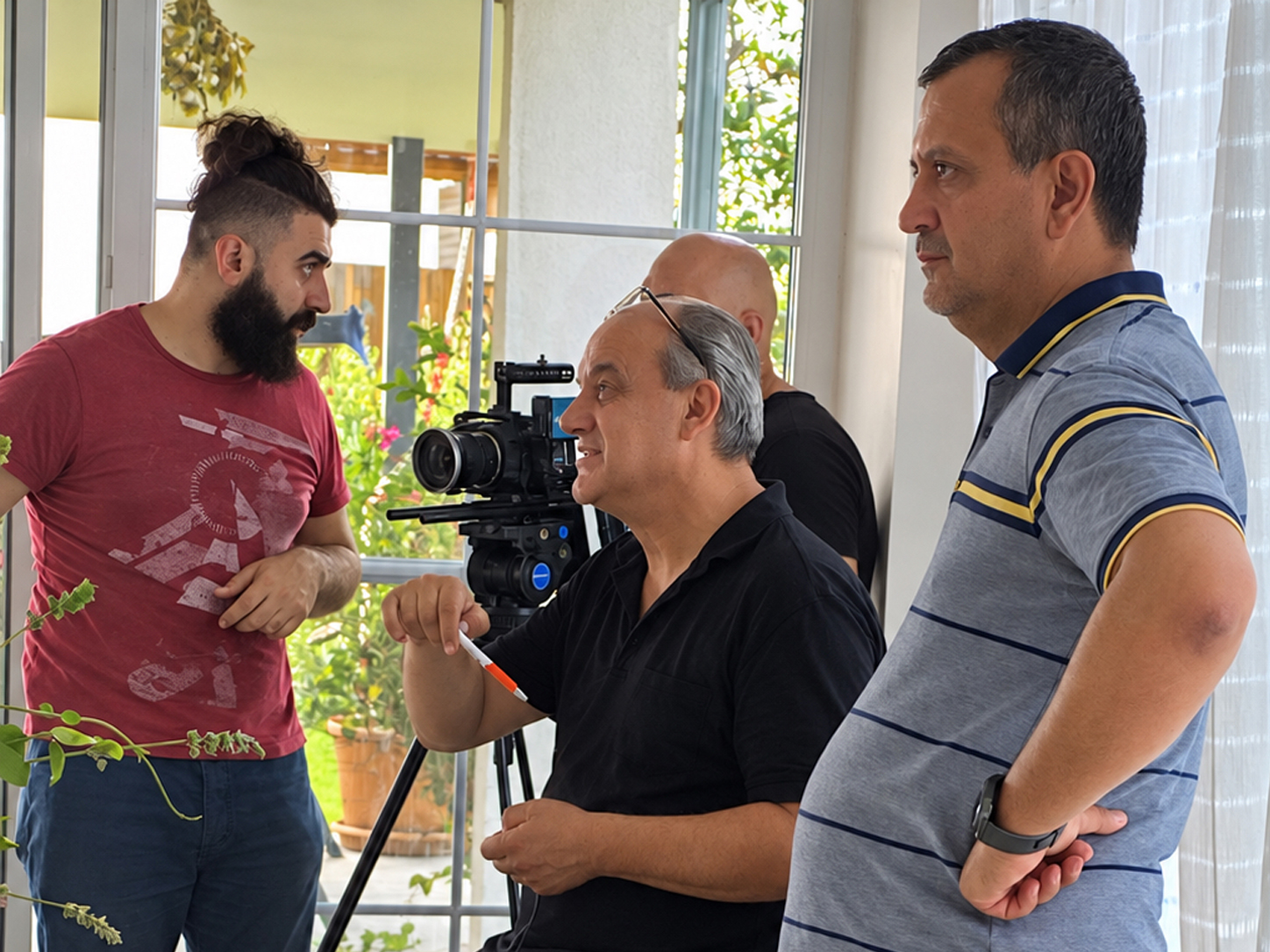
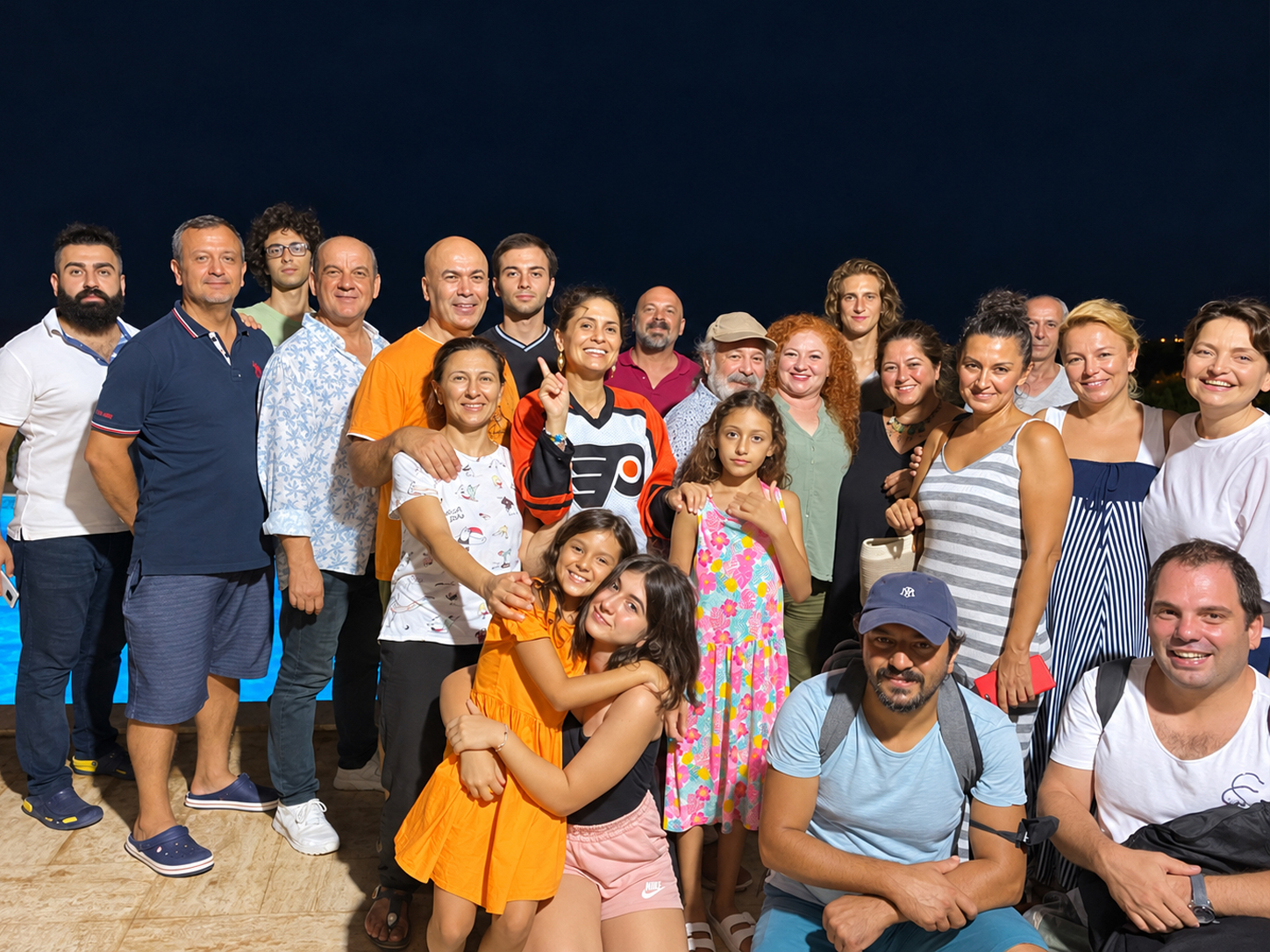
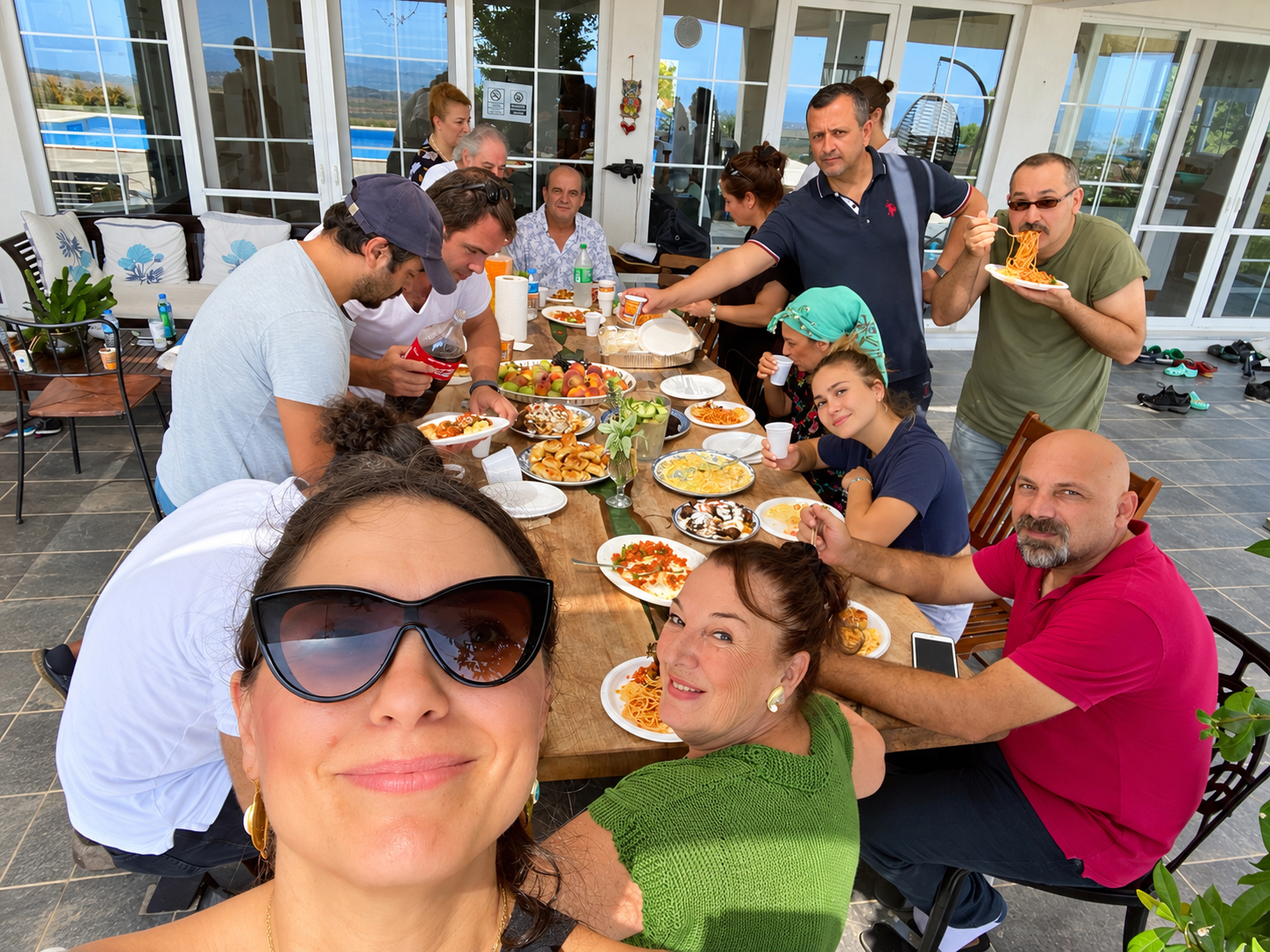
9. When you read Nafiye Bozkurt’s screenplay, what was it about the story that convinced you to take on the project? Was there a particular element that resonated with you?
Nafiye Bozkurt was writing short comedy stories in that Facebook group. They were so funny that we all became regular readers. With the Serbülent Apartmanı series in particular, we could picture the characters and events as vividly as if we were watching a television series.
The stories captured Turkish family life, the nostalgia of the 1990s, and details that brought back memories of our childhoods. They made us laugh and took us back to a familiar world. What convinced me was the feeling that the world we could see so clearly on the page would resonate with an audience, too. That is where the thought came from: “This should be a film.” Then we asked one another, “Shall we do it?” “Let’s do it!”
We were all a little crazy, and COVID had left us creatively restless. Our desire to make something was so strong that we worked through the obstacles one by one. We experienced the healing power of art together, and a film came out of it. Having it recently screen and receive an award at the Miami Turkish Film Festival, along with such positive audience reactions, was deeply meaningful to all of us.
10. You received the “Inspiring Woman of the Year” award in the field of culture from the UK-based SheInspires. Can you tell us more about that moment and what it meant to you?
It was a moment of great pride for me. I would describe it as a deep sense of personal, even philosophical, fulfillment. There is something very special about having your work seen and appreciated by people in another part of the world.
What made it even more moving was that my nomination began with a recommendation from another inspiring woman. For one woman to recognize another woman’s journey and support her is incredibly valuable. I traveled to England for the award and met so many inspiring women working in different fields. Those encounters were just as meaningful as the award itself.
11. You are currently developing the feature film Echo: Echo of the Past. What can you tell us about this project? What is the story about?
Echo: Echo of the Past is a feature film I am producing that is currently in development. It follows two people whose pasts are connected to an ancient power, making them targets of an organization determined to control it. Through mystery and adventure, we explore how the past shapes our present and the choices we make.
The film will be directed by Emmy-winning director and editor Jay Miracle, whose career includes work on landmark films such as Star Wars and One Flew Over the Cuckoo’s Nest. The screenplay was written by Melda Sherman and Cem Adalı. We plan to film in Mexico, New York, and Cappadocia.
I am very excited to bring Jay’s filmmaking experience to this story. As we develop a production spanning different locations, I want to preserve the characters’ emotional journeys within the adventure. I believe in the film’s potential to connect with international audiences. The question at its heart is: “Can the power of the past change the future?”
Three rapid-fire questions
Independent movies or blockbusters?
I would love to experience both. Each offers different possibilities that I want to explore.
Natural light or studio light?
It depends on the film, the location, and the visual language of the story. I value the creative approach of the director and cinematographer. I would also love to explore black-and-white storytelling in a film I produce.
Happy endings or open endings?
A happy ending is always lovely! But I like leaving the audience with something to think about. So I think open endings are a little closer to my heart.
Connecting to Tuğba Yazıcı and her projects on: