VIP Interview with Na-yeong Kim, director of the Award Winning Short Film ‘Baby Hero Uturi: Re-Bloom’
Today, we introduce Na-yeong Kim – AI animator, film director and founder of DO:EUN Company. In this interview, we talk about the inspirations behind the short film Baby Hero Uturi: Re-Bloom, the challenges of creating the entire movie alone, and the future of AI in the film industry. Enjoy!
Can you tell us a bit more about what led you to filmmaking?
I have loved stories for as long as I can remember. That is probably why I ended up studying playwriting. At university, I explored every form a story could take: theater, film, games, books. Whether writing or directing, the moment that always moved me most was watching the people and images inside my words come alive.
Before starting to make animations, I used to write musical theater scripts. What drew me to theater in particular was its unique freedom: on stage, in music, a single metaphor can carry the weight of an entire world. You don’t need a massive budget to make an audience feel the vastness of the sea, or the passage of a century. The imagination does the work. That freedom was everything to me.
And then I encountered AI — and something shifted. Suddenly, the worlds I had only been able to suggest through metaphor, I could actually build. Every image I had ever held back because it was “too expensive” or “technically impossible” was now within reach. It felt less like discovering a new tool, and more like finally finding the room I had always been trying to write my way into.
The path to filmmaking began with a collaboration. A team I had been making puppet theater with proposed we create a stop-motion animation together. To apply for the arts funding that would make it possible, I founded DO:EUN Company. What started as a practical step opened an unexpected door — through that process, we were accepted into the NCA(New Contents Academy), a program run by the Korea Creative Content Agency, where I received formal training in AI filmmaking. There, a director and instructor who had come from screenwriting showed me that a story writer could build an entire visual world on their own. That was the moment I knew I had to try.
What struck me most was how familiar it felt. As a playwright, I had always built worlds line by line, breath by breath. Typing a prompt into an AI turned out to feel surprisingly similar — it was still a script, still a conversation, still the same act of saying “this is the world I imagine, now let’s make it real.” The language had changed, but the instinct hadn’t.
I started entering competitions, then producing animation for public institutions and companies across Korea. And now, standing here after winning three awards in New York — I think about that moment of courage, and I’m glad I took it. I’m still finding the shape of what AI-animated storytelling can be. That search is what drives me, as a director and as a digital arts educator.
You trained as a playwright at the Seoul Institute of the Arts and as a lyricist for musical theater — how has your background shaped your approach as a director?
My background in playwriting shaped the way I think about structure — specifically, how I break a story into scenes. Even when working with AI, I approach each sequence the way a playwright would approach an act: what is the emotional shift happening here, what does this character want, what event moves us forward? That logic carries directly into how I write prompts. Describing a character’s gesture, the weight of a moment, the precise action that drives a scene — that is still, at its core, dramatic writing. But if I’m honest about what has differentiated me most as a director, it’s the lyric writing.
I studied musical theater composition at university, and that training turned out to be quietly transformative when I began making AI animation. When generating music through tools like Suno AI, whether or not a lyric is properly structured — whether it has real song form — makes an enormous difference in the quality of the final output. A well-crafted lyric doesn’t just sound better. It guides the AI toward something that actually feels like music.
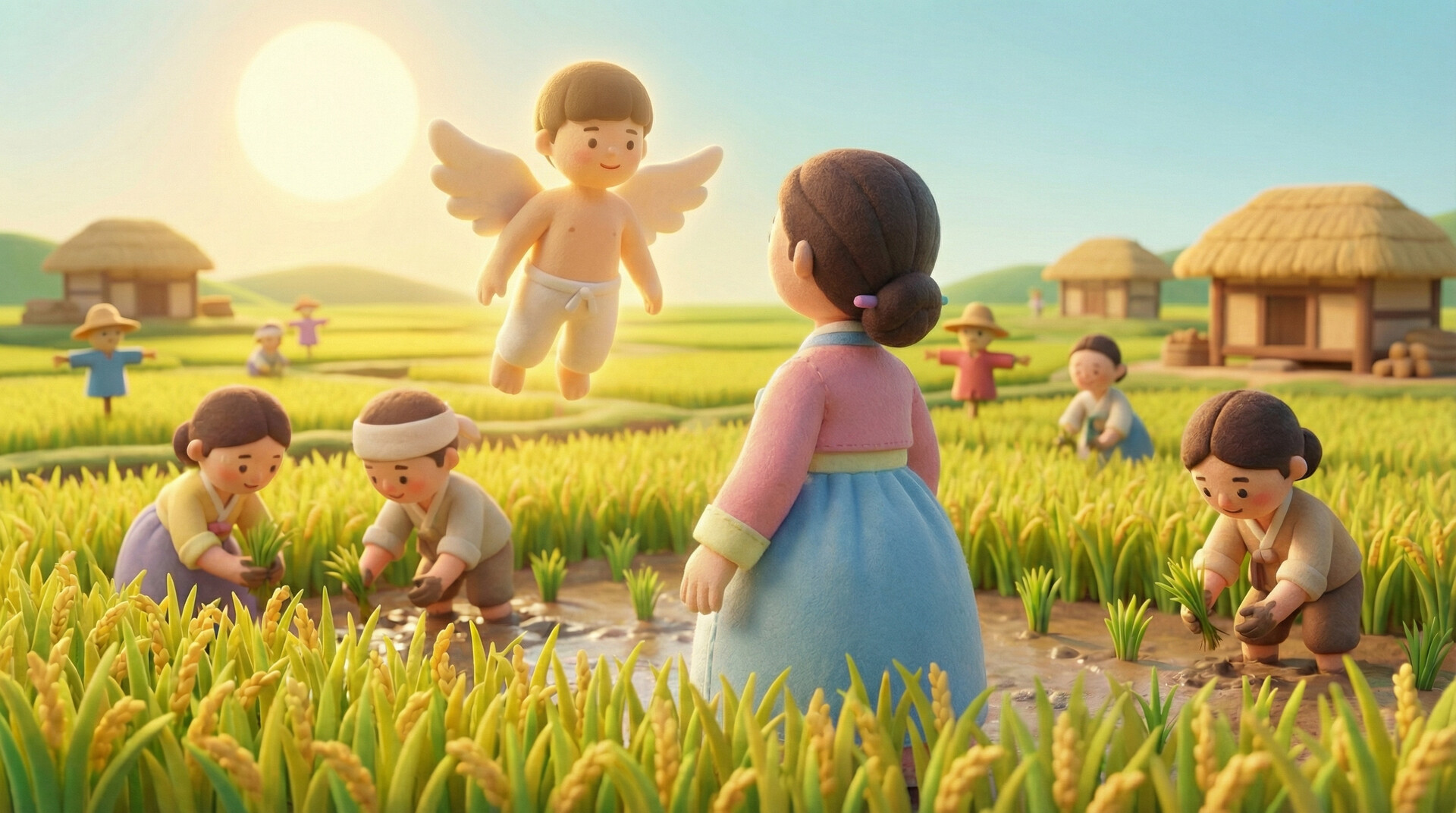
《Baby Hero Uturi: Re-Bloom》 is a musical animation, and I wrote every lyric in it myself. In practice, the unique clay-like texture of the animation made AI lip-syncing difficult to render convincingly, so the film ended up closer in form to a music video than a traditional musical. But technology moves fast — by the next project, I genuinely believe the characters will be able to sing directly on screen.
Being an AI animation director who can also write lyrics is, I think, the clearest thing that sets me apart. It’s allowed me to build a distinctive position in the industry — producing solo, single-handedly directing and composing animated music videos that promote Korean public policy campaigns, among other projects. That combination of craft is something I haven’t seen many others doing, and I intend to keep pushing it further.
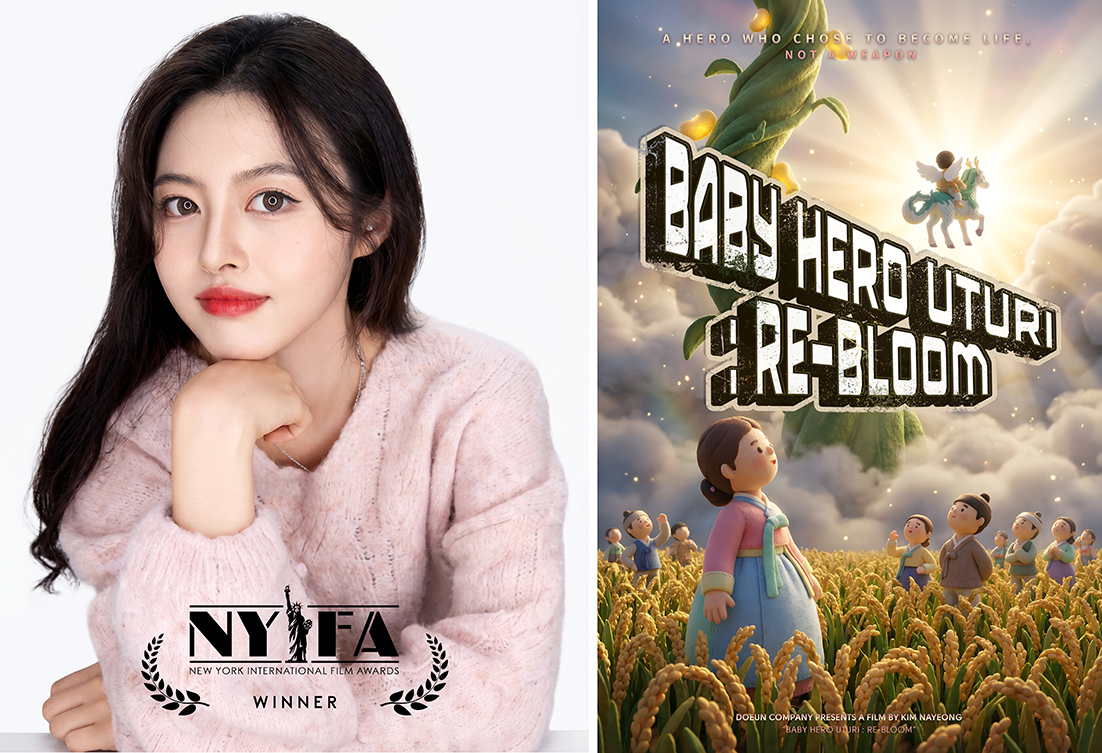
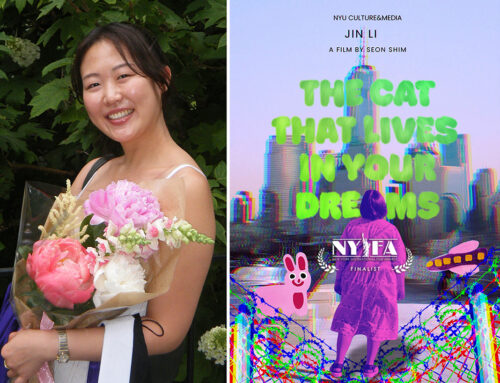
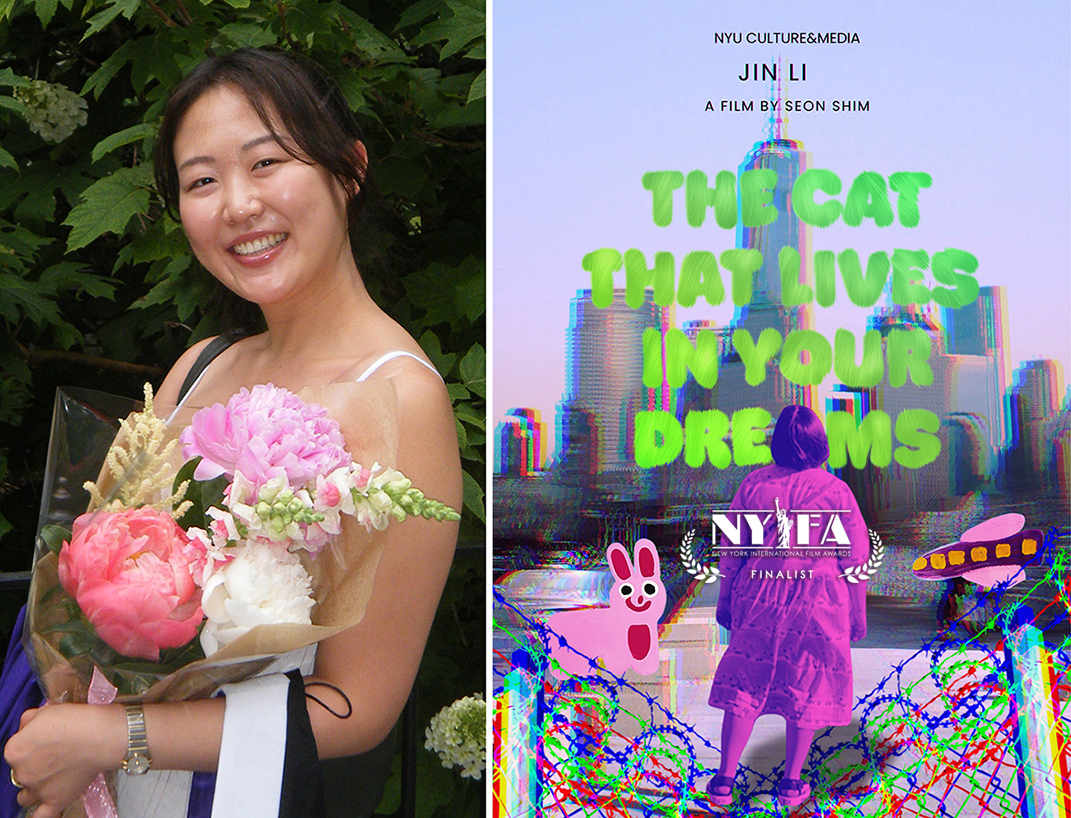
The director Na-yeong Kim and the official poster of ‘Baby Hero Uturi: Re-Bloom’
When did the initial idea for the film come to you? Was there a particular moment or source of inspiration that sparked the story?
“The story found me” through a classroom.
I was researching and teaching a cultural arts program supported by the Seoul Foundation for Arts and Culture — a curriculum built around local folktales and puppet theater. The first class took place in Jung-rang district, Seoul, and naturally, we turned to the folktale most rooted in that place: ‘Baby Hero Uturi’, a legend well known enough to appear in Korean elementary school textbooks.
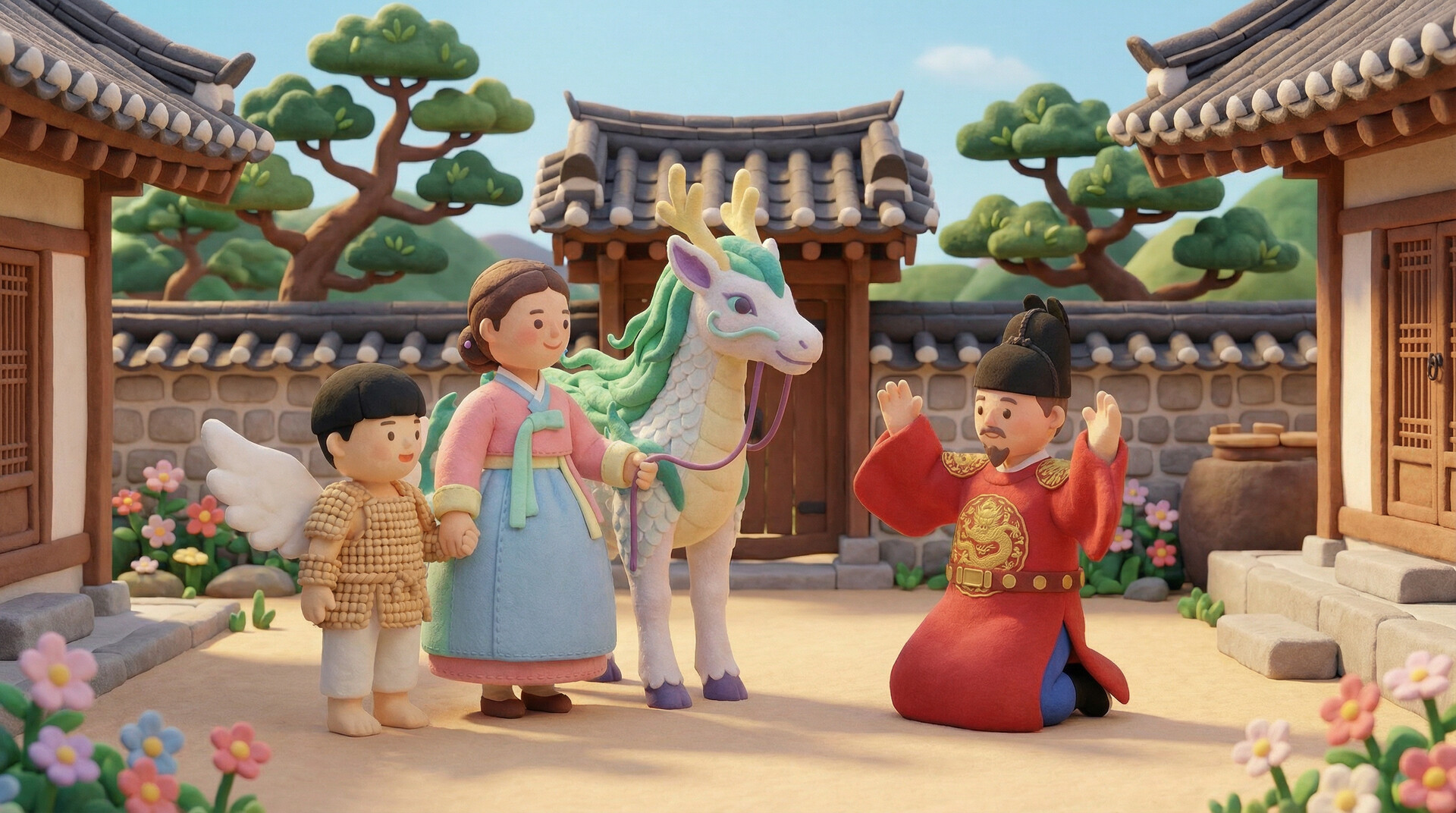
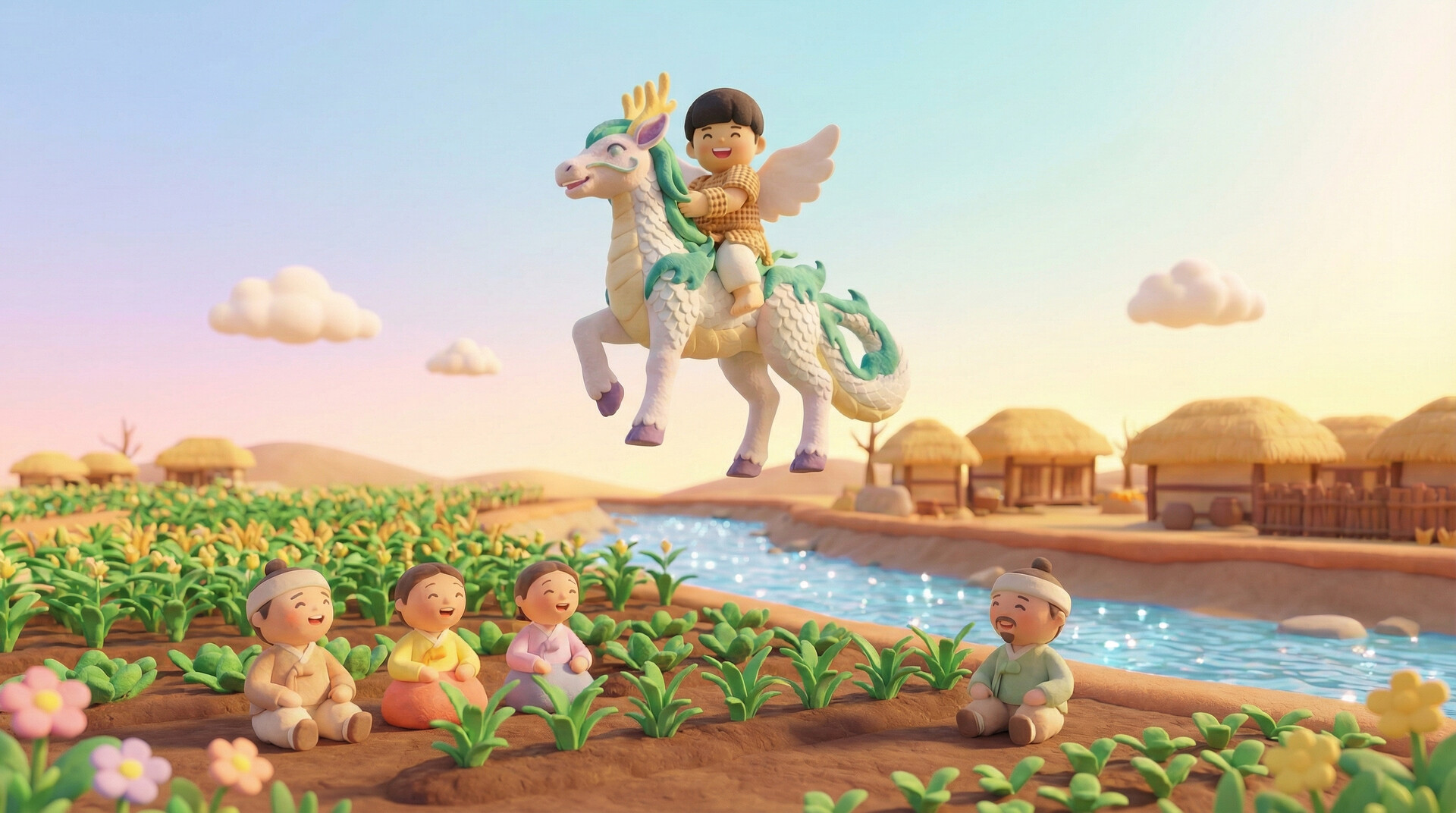
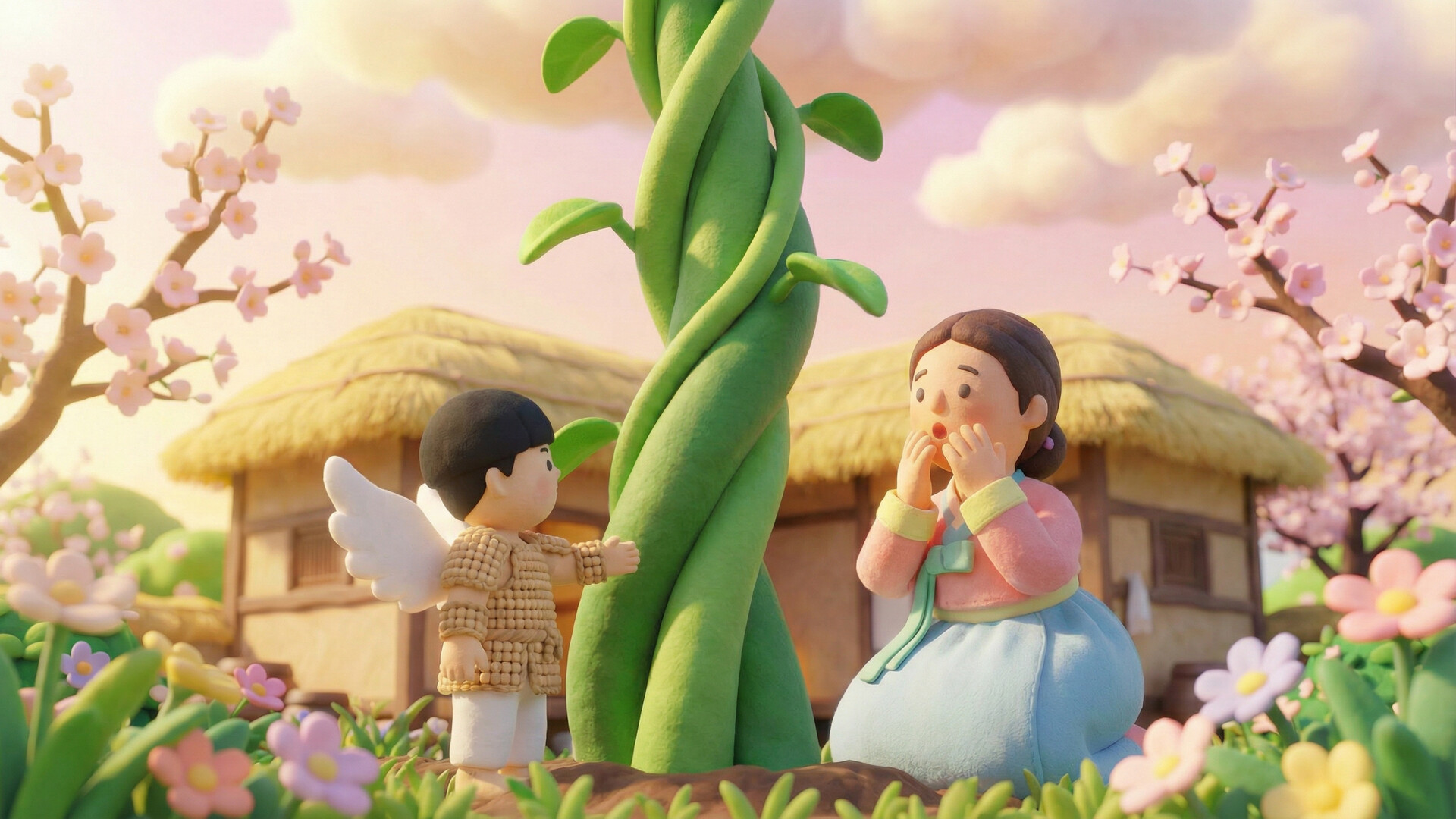
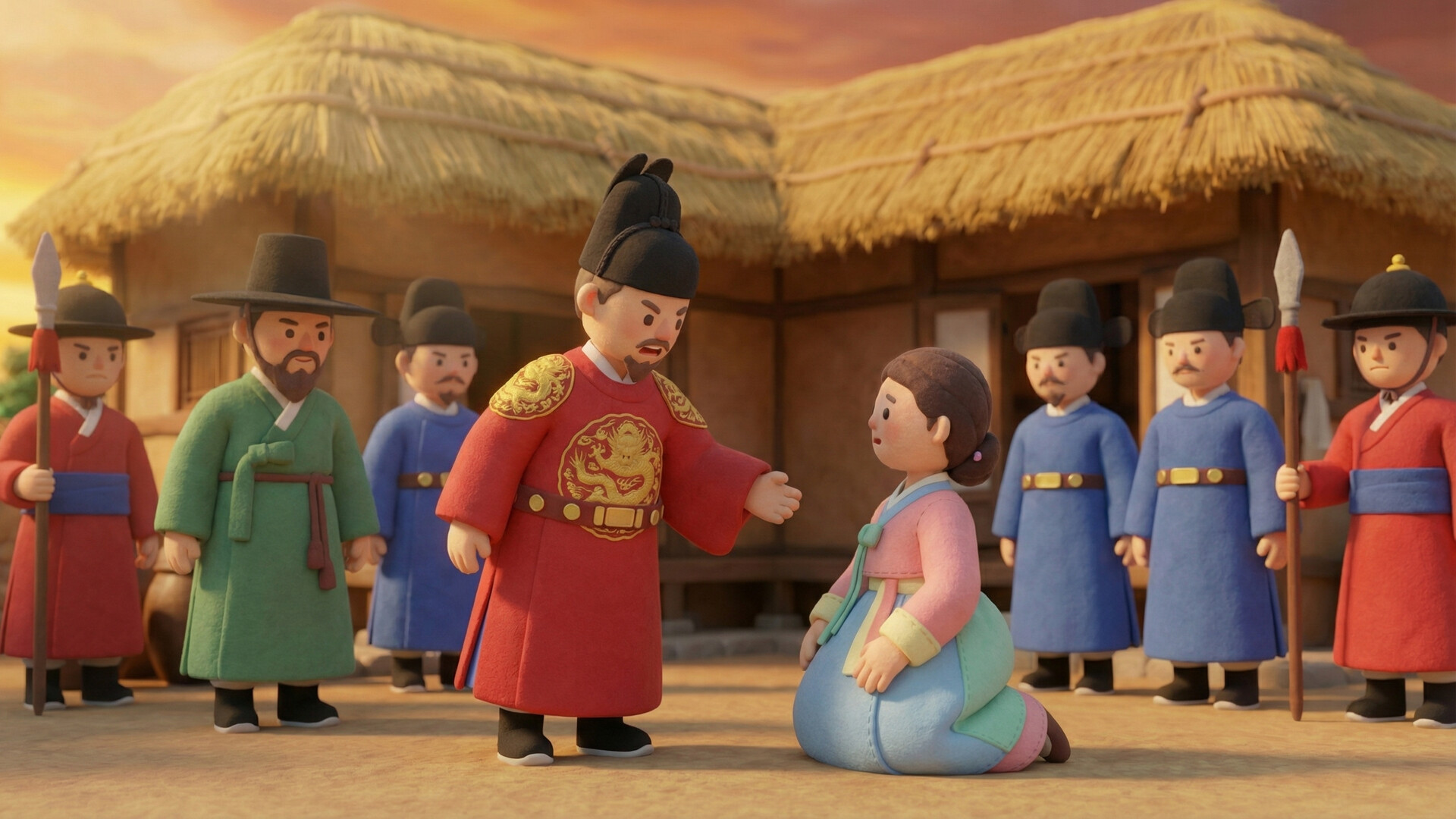
The story tells of a baby hero born with the power of flight, destined to save the starving people of his time. His mother was tasked with making his armor — a sacred process involving mystical beans. But she was so hungry that she ate one. That single bean left a gap in the armor, and her son was killed because of it. In Korea, she is traditionally remembered as the mother who doomed her child. The villain of the story, almost by default.
During the class, as the children were reading through the tale together, one child stopped and said quietly: “How hungry must she have been, to eat that single bean?”
The room went still. And so did I.
That one sentence reframed everything. It wasn’t a question about plot — it was a question about hunger, about desperation, about a mother who loved her son and was also starving. In that moment, I knew this was the story I needed to tell. Not the hero’s story but the mother’s.
Which do you think are the toughest aspects of making a film today, especially when it comes to independent film?
On the production side, the biggest challenge I faced was the limitation of AI’s 3D detail. There is a specific scene in this movie; where the beans planted by Uturi’s mother fly through the air and give birth to him again — a moment of magical reincarnation that is the emotional heart of the film. In that scene, the beans themselves came out slightly blurred, losing the crispness the moment deserved. It wasn’t what I had imagined. But I also know this is a problem that will solve itself as the technology improves. I’m already looking forward to returning to that scene someday.
The deeper challenge was something more human: stamina. Making a film alone means carrying the entire creative weight by yourself — every decision, every revision, every moment of doubt. I needed regular feedback to keep going, and there were limits to how long and complex a story I could sustain on my own. I’ve since begun building a team, finding collaborators I can trust, because I think the next step requires it.
Which brings me to what I believe matters most for independent filmmakers today: the ability to develop a concept and build a story. Technology is becoming more accessible by the month. The tools are no longer the barrier. What separates a film that moves people from one that doesn’t is still, and will always be, the quality of the story underneath it. That is the muscle worth building.
Can you tell us more about DO:EUN Company? What is the core mission of your production company?
DO:EUN means “Road of Smile.” In Korean, it sounds almost identical to the word “좋은” — meaning “good.” So on the surface, it reads as “a good company” But underneath, it carries a quiet commitment: to walk the road that makes people smile, by making content that is genuinely good.
The company began, as I mentioned, somewhat practically — founded to apply for arts funding for a stop-motion animation project. But what it has grown into is something I care about deeply. DO:EUN is a place that uses AI and digital technology to awaken human stories. We produce animation that makes complex public policies feel approachable and warm. We take local folktales — stories that have lived quietly in specific corners of Korea for centuries — and carry them out into the world. And through our digital arts education work, we try to open new possibilities for what AI art and creative technology can mean for people of all ages.
Our slogan is “Imagination into Reality.” For me, that phrase has three layers. First, turning imagination into story. Then, teaching others how to do that. And finally, bringing those stories to life as finished works. Baby Hero Uturi: Re-Bloom is perhaps the clearest example of all three at once — a child’s quiet question in a classroom became a story, that story became a film, and that film has now traveled to Cannes and New York. That is the path DO:EUN walks. And I intend to keep walking it.
You’ve said you’re interested in telling stories about: “the mother behind the hero, the people behind the legend, the lives behind the painting.” Why is this perspective important to you?
Every story has a center — a hero, a legend, a masterpiece. And around that center, there are always people the story forgot to look at.
That has always bothered me. Not as a grand statement, but as a storyteller’s instinct. The figures in the margins are so often where the most human truth lives. Uturi’s mother was never the hero of her story. She was a footnote — the woman who made the fatal mistake. But when that child in my classroom asked how hungry she must have been, I realized the most profound emotional core of that centuries-old legend had been sitting untouched, just slightly out of frame. All it needed was for someone to turn the camera.
I think this resonates with today’s audiences because people are hungry to see themselves in stories — not just the exceptional, the celebrated, the remembered. The person who didn’t make it into the history books. The mother who loved fiercely and was blamed anyway. The ordinary life caught in the background of a great painting. These are the people most of us actually are. And when a story finally looks at them directly, something unlocks.
That same pull is what drew me to join as its writer and dramaturg in (planned to be performed at Theater ‘La MaMa’ in New York’ this September), a non-verbal performance with live visuals, which reimagines the paintings of Yun Bok Shin, an 18th-century Joseon painter known for his vivid, intimate scenes of ordinary life — often described as a Korean counterpart to Toulouse-Lautrec for the way his work preserved the texture of an era. His canvases are full of them. The women, the merchants, the entertainers, the unnamed figures of 18th-century Korea caught in a moment of ordinary life. When I was invited to participate, I said yes immediately. To sit with those figures and ask who they really were — that felt like exactly the kind of question I’ve been asking all along.
I don’t think I chose this perspective. I think it chose me. And I’ll keep following it wherever it leads.
Is there a specific animation style that inspired you while working on the film?
DO:EUN Company began as a stop-motion animation studio. When I first founded it with the team I had been making puppet theater with, we spent a lot of time watching and studying stop-motion works — absorbing the textures, the handmade imperfections, the particular warmth that comes from objects that exist in the physical world.
The shift toward AI animation was, honestly, a practical one. The cost and infrastructure required to produce stop-motion at scale made it difficult to sustain as a business direction. But the affection I developed for the tactile quality of puppets and handmade figures — that never left. So even now, when I work with AI, I consistently gravitate toward clay, felt, and soft doll-like textures. The technology changed. The aesthetic sensibility didn’t.
What I’ve held onto most is the diorama quality of stop-motion — that feeling of looking into a small, carefully built world. Although AI can’t quite replicate the charming choppiness that makes stop-motion feel so alive. But the warmth of that handcrafted visual world, the sense that these characters were made by someone’s hands with care — that is something I keep reaching for, frame by frame, in everything I make.
What do you see as the future of the film industry in the age of generative AI? Do you think the two can coexist?
I am probably not the most objective person to answer this question — I am, after all, someone who has built her entire practice around generative AI. But perhaps that is exactly why I can answer it honestly.
The conversation around AI and film tends to collapse into two camps: those who believe AI will replace human creators, and those who insist it never could. I think both are missing the point. The real question was never whether AI can make a film. It’s whether the person holding the prompt has something to say.
What AI has genuinely changed is the distance between imagination and image. For independent creators — especially those without access to large budgets or production teams — that distance used to be the wall that stopped everything. Now it isn’t. A story that would have required a studio can be built by one person with a clear vision and the craft to articulate it. That is not a threat to cinema. That is an expansion of who gets to make it.
What it does demand, however, is authorship. The filmmakers who will thrive in this era are not the ones who are best at operating the tools. They are the ones who know what they want to say, and why it matters. Story structure, emotional truth, the instinct to know which frame carries the meaning — none of that can be prompted. That has to come from the human being behind the work.
AI and cinema will coexist. They already do. The question now is simply: who is brave enough to keep authoring?
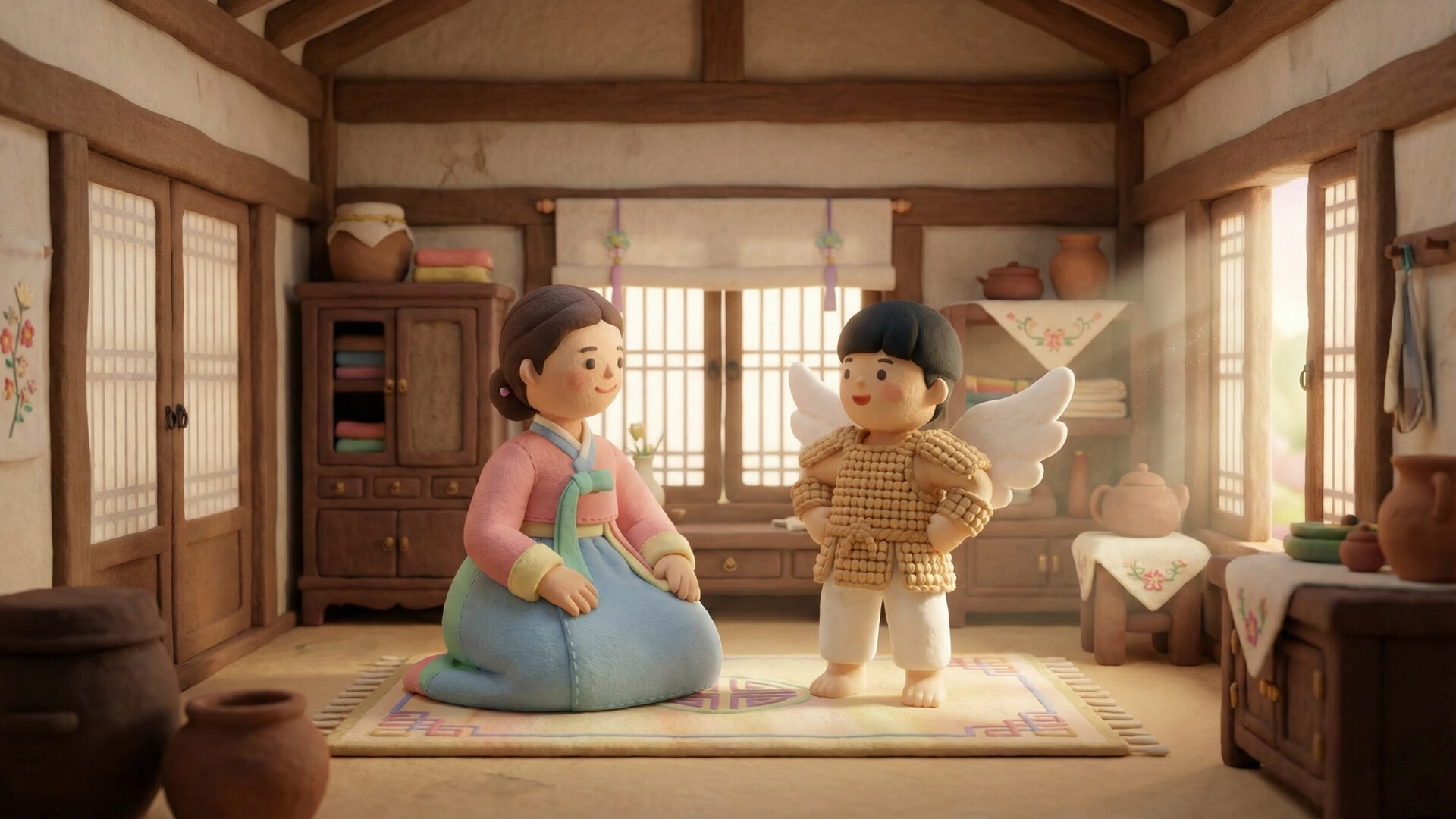
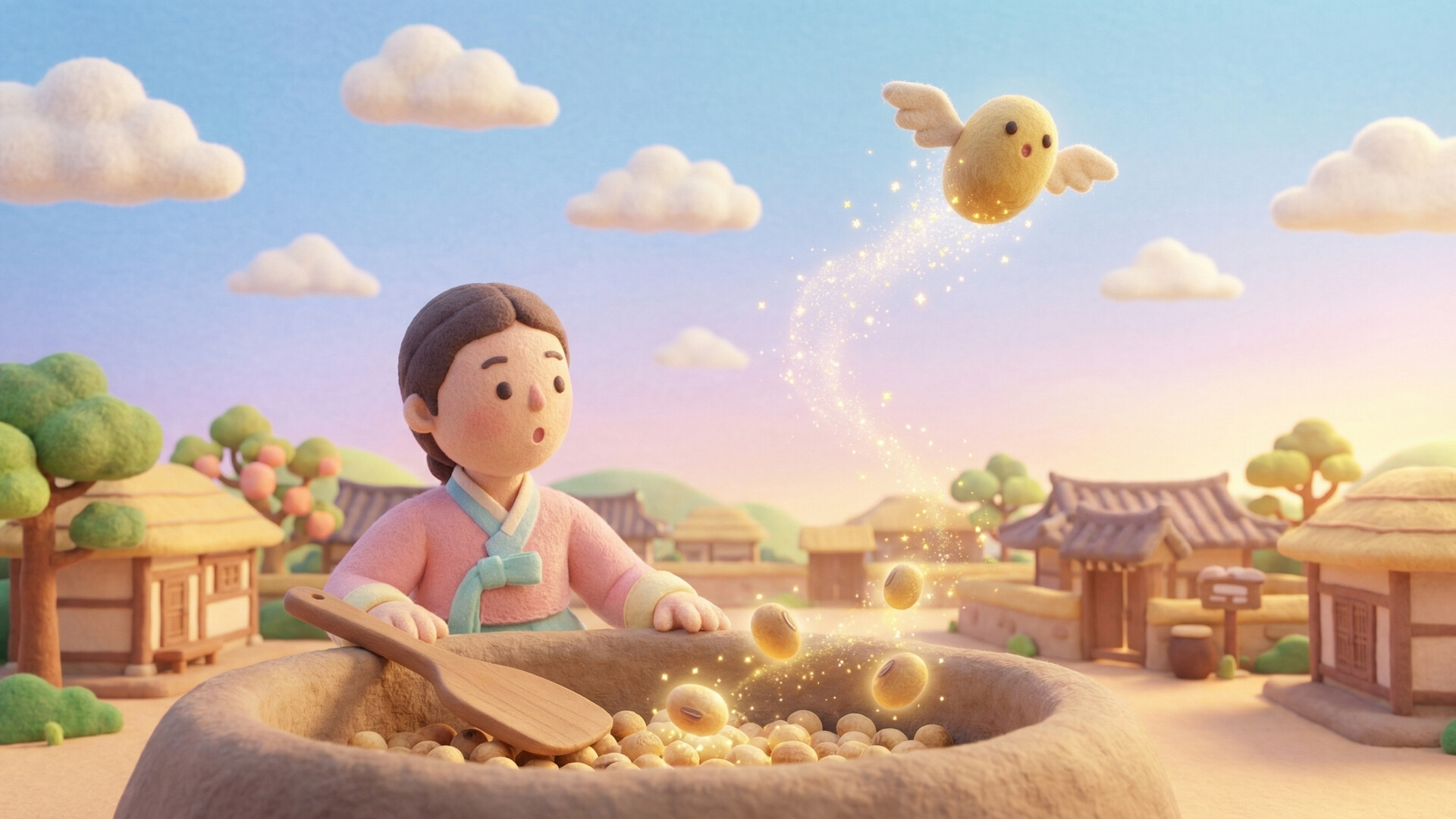
How did you approach the film’s soundtrack? Do you feel the music drives the plot as in classical musicals?
The soundtrack began before a single image was generated. I wrote the full script and all the lyrics first — because the music had to carry the story, I needed to know exactly what each song was going to say before it could become sound.
The film has five musical numbers, each engineered to reflect a specific character’s psychology and the situational irony of their moment. The opening number, We Need a Hero, opens in a minor key with heavy drums and weary choir vocals — the sound of a people who have been waiting too long. A Single Bean, the showstopper built around the mother’s internal conflict, shifts entirely into a playful waltz with pizzicato strings and woodwinds — almost comedic, because that contrast is the point. The mother is not a villain. She is a hungry woman wavering in front of roasted beans. The music had to hold both the lightness and the tragedy at once.
For each number, I worked closely with Google Gemini to develop the music style prompts before generating in Suno AI — a process that drew directly on my years of musical theater training, when I would bring composers detailed style references and instrumentation notes. The workflow felt familiar. The collaborator had changed, but the conversation hadn’t.
The finale, Baby Hero Uturi, was designed to be the emotional release the whole film builds toward — a boy soprano over grand orchestral strings, structured with a clear verse-chorus form to give the musical animation genre its fullest resonance.
As for whether the music drives the plot the way classical musicals do — I’d say it does, but perhaps differently. In a classical musical, characters sing what they cannot say. Here, the music also does what the visuals alone cannot: it holds the emotional subtext, the irony, the grief beneath the fairy-tale surface. Without the music, i is a folktale. With it, it becomes something you feel in your body.
What message do you hope audiences take away from your film?
I hope they walk out thinking not about the hero, but about the person beside the hero. The one who loved her family fiercely, made a very human mistake, and was handed all the blame. I think most of us, at some point in our lives, have been that person — or have known one. The mother who did everything she could and still wasn’t enough, in the eyes of the world.
What I wanted to give audiences, more than any message, is a moment of recognition. The moment where you see a figure history wrote off as a footnote and think: I understand her.
Because the story of Uturi is ultimately not about a hero who died. It’s about a love so ordinary it was invisible — and so vast it fed an entire world. Uturi does not return as a warrior. He returns as grain. As food. As something that sustains life quietly, without glory, without a monument. I think that kind of love deserves to be seen.
For Korean audiences, I hope it rekindles a relationship with a story they may have only ever encountered in a textbook — and shows them something in it they were never shown before. For international audiences, I hope it proves that a folktale from a small district in Seoul can carry a grief and a warmth that travels across languages and cultures.
The world has always been full of people the story forgot to look at. This film is for them.
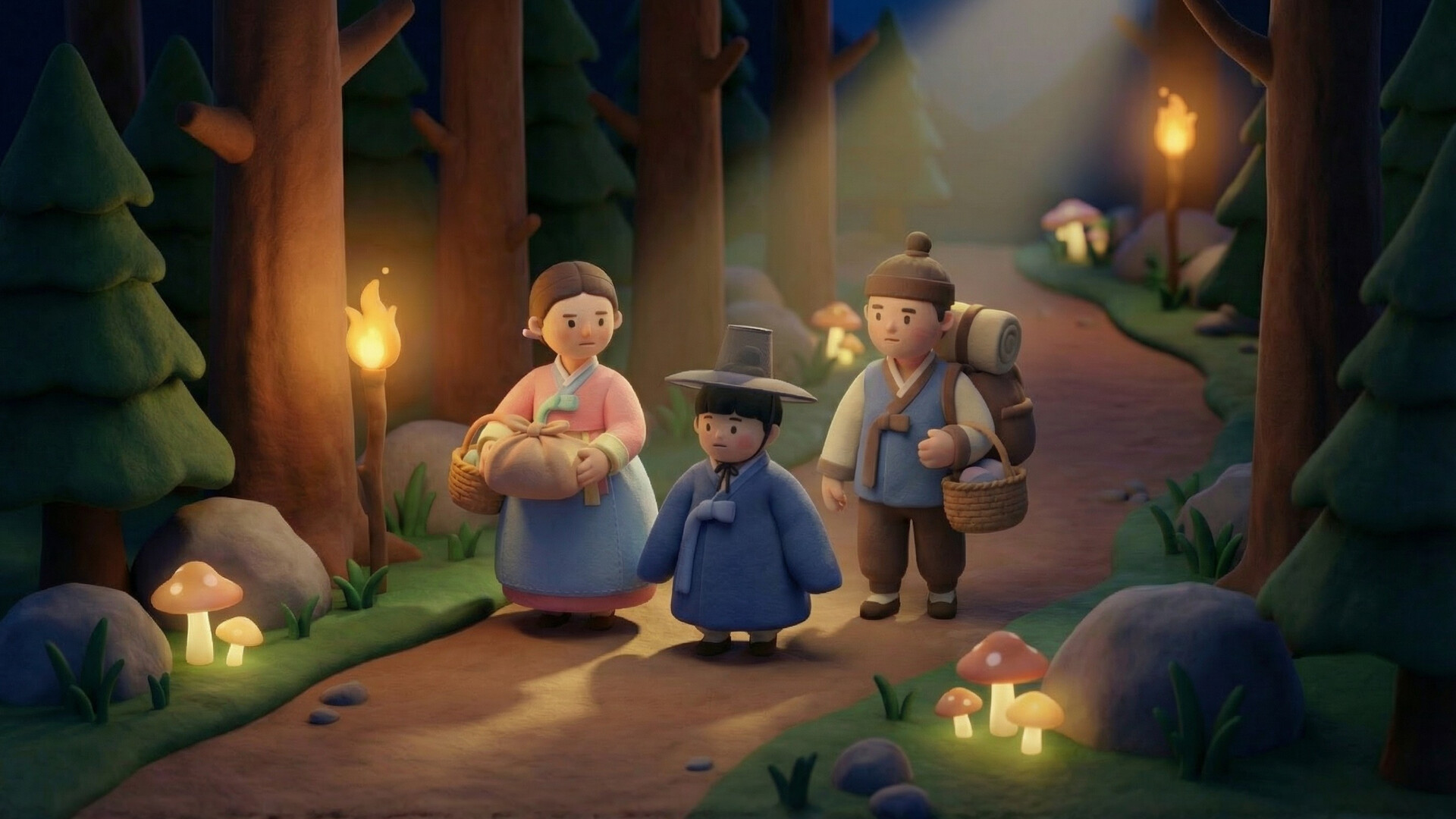
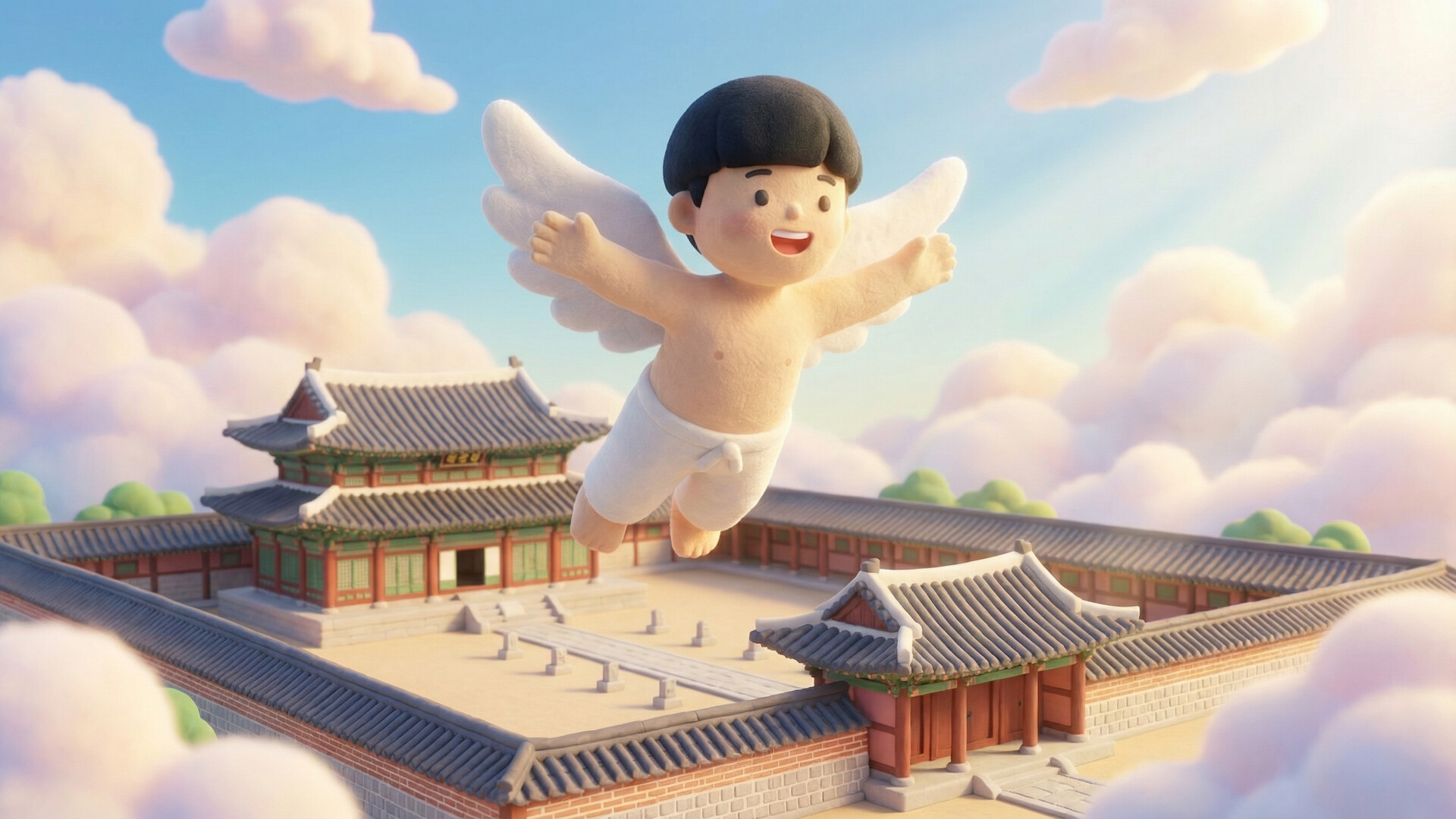
Three Rapid Fire Questions:
Which film made you want to be a filmmaker?
When it comes to the animation genre, . Watching five emotions — Joy, Sadness, Anger, Fear, Disgust — come to life as vivid, distinct characters, each driving the story forward with their own personality and logic, something shifted in me. I thought: I want to do that. Not just tell a story, but build the characters who carry it — characters so compelling that the audience can’t look away. From that point on, I developed a habit of creating my own characters first, and then building stories around them. That instinct has never left me. It’s how Baby Hero Uturi began, and it’s how every project I make still begins today.
Favorite place to write/work?
It used to be cafés — coffee in hand, a little ambient noise, the feeling of being inside the world while writing about it. That was the playwright years. Now that I work in animation, I rarely leave the studio. The monitors don’t travel well. At least I’m saving on coffee.
Happy endings or open endings?
Warm endings. In , the mother loses her husband and her son — and the world blames her for both. But she keeps going. She works the land with the villagers, making rice cakes, tending the crops, carrying forward the peace and abundance her son had always dreamed of bringing to the world. And under the blessing of Uturi, now a deity of grain, the harvest comes. The film ends with her smiling — not because her grief is gone, but because she found a way to live Uturi’s wish with her own hands. That, to me, is a real ending.
What’s next for you? What are you working on right now?
Two projects are keeping me very busy right now, and both feel like natural extensions of everything Baby Hero Uturi taught me.
The first is , a project supported by the Suwon Cultural Foundation. I’m adapting local folktales from Suwon City in South Korea, into animated music videos designed for global audiences. Stories that have been passed down through generations, whispered from mouth to mouth across centuries — I want to breathe new life into them and send them out into the world. That is the work I feel most called to do.
The second is Woven: The Colors of Shin Yoon-bok, a non-verbal performance with live visuals directed by Jiyoung Kim. I have joined the production as its writer and dramaturg. The work reimagines the paintings of Shin Yoon-bok, an 18th-century Joseon painter whose vivid, intimate scenes of ordinary life have led many to call him a Korean counterpart to Toulouse-Lautrec. His canvases are full of people caught in fleeting, unguarded moments. As the writer on this production, I work alongside the director to give those figures their stories — to ask who they were, and what they might say. The production is preparing for its American premiere this September at La MaMa Experimental Theatre Club in New York.
From a children’s classroom to Cannes, from Cannes to New York, from New York back into the streets of Joseon through Shin Yoon-bok’s brush. The through-line, I think, is this: I am a storyteller living at the intersection of Art and Technology — someone who uses the tools of this era not to replace the human voice, but to amplify it. To take the stories that history left in the margins, dress them in the visual language of today, and carry them further than they have ever traveled before. That is what I am here to do. And I am just getting started.
Follow Na-yeong Kim and her projects on: